Safety doesn’t start with policy manuals or compliance audits—it starts with conversation. And in high-risk environments like construction, manufacturing, or utilities, the most effective safety conversations happen face-to-face, every single day. That’s where toolbox talks come in.
Yet, organizing these briefings consistently is a challenge. Many teams struggle with structure, documentation, or simply finding time to prepare. That’s why a free, downloadable toolbox talk template in Word format is more than just a document—it’s a productivity and compliance multiplier.
This guide delivers exactly that: a practical, customizable toolbox talk template in Word you can download and use immediately. Plus, we’ll show you how to adapt it, avoid common pitfalls, and integrate it into your safety workflow with real-world examples.
Why You Need a Standardized Toolbox Talk Template
Toolbox talks are short, informal safety meetings—typically 10 to 15 minutes—conducted at the job site before work begins. Their purpose? To reinforce safe behaviors, address hazards, and promote awareness.
But without a structure, these talks can become inconsistent or poorly documented. That’s where a template fills the gap.
A well-designed toolbox talk template in Word:
- Ensures critical topics aren’t missed
- Provides a consistent format for all supervisors
- Creates a legal record of safety communication
- Supports OSHA and other regulatory compliance
- Reduces preparation time
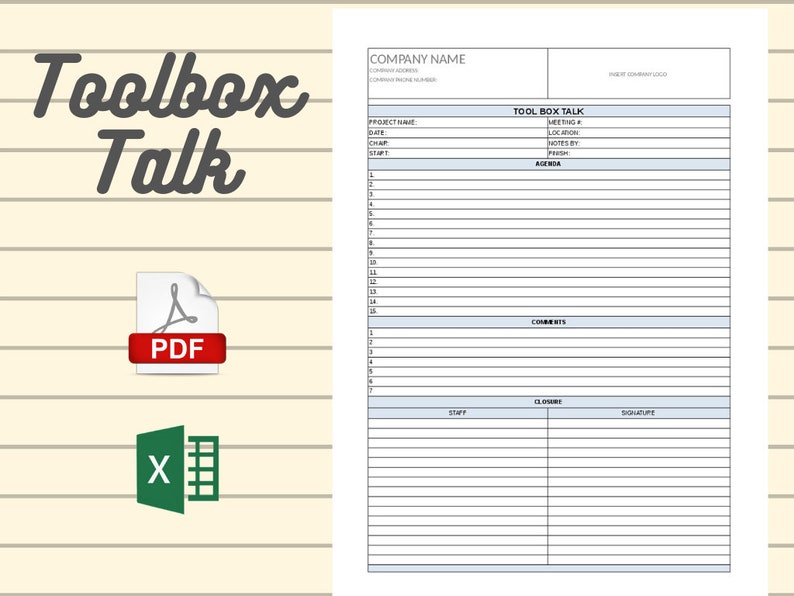
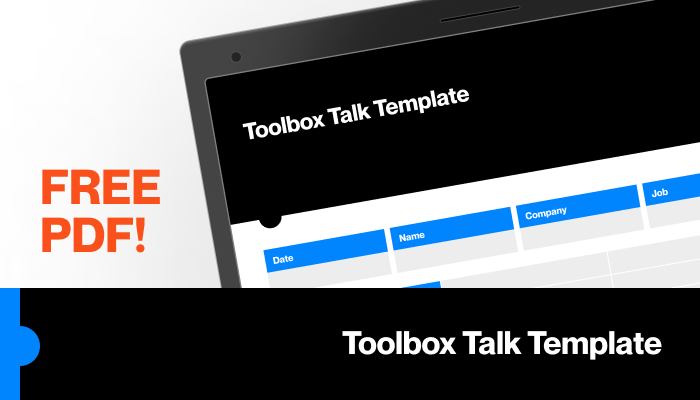
Using a standardized Word document means you can edit fields like date, location, topic, and attendees—then save or print with zero formatting issues.
Real-World Use Case: A mid-sized electrical contracting firm reduced near-misses by 40% within three months of implementing a structured Word-based toolbox talk template. Supervisors reported faster prep times and improved team engagement.
Key Elements of an Effective Toolbox Talk Template
Your free toolbox talk template should include specific sections to maximize clarity and compliance. Here’s what to include—and why each matters:
1. Meeting Header Fields for:
- Date
- Job site/location
- Supervisor name
- Crew/attendees
- Weather conditions (critical for outdoor work)
This creates traceability. If an incident occurs, you can cross-reference the talk with the date and personnel.
2. Safety Topic Pre-defined categories help standardize focus. Examples:
- Fall protection
- Electrical safety
- PPE usage
- Hazard communication
- Ladder safety
Rotate topics weekly or monthly to cover all critical risks.
3. Discussion Points A bulleted or numbered section where the supervisor outlines:
- What the hazard is
- How it could impact workers
- Controls in place (e.g., guardrails, lockout/tagout)
- Safe work procedures

Keep this concise—no more than 5–7 key points.
4. Attendee Sign-Off A signature line for each worker confirms they attended and understood the briefing. This is vital for liability protection.
Common Mistake: Forgetting to collect signatures. A talk with no sign-off has limited legal value. Use a printed copy or pass a tablet for digital signatures.
5. Follow-Up Actions Space to note:
- Hazards identified
- Corrective steps
- Responsible person
- Completion date
This turns discussion into accountability.
How to Use a Word-Based Template Effectively
Microsoft Word is the ideal format for toolbox talk templates because it’s: - Universally accessible - Easy to edit and save - Printable on standard paper - Compatible with mobile devices (via Word app)
Workflow Tips:
- Customize Once, Reuse Forever
- Open the template, fill in your company logo and standard header. Save it as “Master_TBT_Template.docx” and store it in a shared drive.
- Pre-Plan Weekly Topics
- Create a 12-week safety calendar. Assign topics (e.g., Week 1: Fire Extinguishers, Week 2: Hand Tools). Copy the master template each week and update the topic.
- Print or Use Digitally
- On-site, supervisors can:
- - Print copies and collect signatures
- - Use a tablet with Word app and digital signature tools
- Archive Monthly
- Save completed talks in labeled folders (e.g., “TBT_April_2024”). This builds an audit-ready safety record.
Pro Tip: Add a QR code linking to your safety manual or video demo. Print it on the bottom of each sheet for quick reference.
Top 5 Free Toolbox Talk Template Word Downloads
Not all free templates are created equal. Many lack structure, are poorly formatted, or don’t include signature lines. Below are five reliable, professionally designed Word templates you can download at no cost:
| Template Name | Source | Key Features | Download Link |
|---|---|---|---|
| OSHA-Compliant Toolbox Talk Template | SafetyNow | Pre-filled OSHA topics, editable fields, sign-off section | safetynow.com/templates/tbt-word |
| Construction Safety Talk Template | SmartDraw | 20+ topic variants, clean layout | smartdraw.com/safety/toolbox-talk-template |
| Industrial Toolbox Talk Form | SafetyCulture | ICS-compatible, hazard tracking | resources.safetyculture.com/tbt-word |
| Free Daily Safety Meeting Template | EdrawMax | Diagram support, bilingual option | edrawmax.com/templates/toolbox-talk |
| Supervisory Toolbox Talk Template | Hazards.com | Manager checklist, escalation path | hazards.com/resources/toolbox-talks |
Note: Always verify the source. Avoid .exe or .zip downloads—stick to .docx files from reputable safety providers.
Customizing Your Template for Different Industries
A one-size-fits-all template won’t work across all settings. Tailor your Word document to match your industry’s risks.
Construction Focus on:
- Fall hazards
- Scaffolding
- Excavation
- Crane operations
Add a “Site Conditions” section to flag wet ground, high winds, or overhead lines.
Manufacturing Emphasize:
- Machine guarding
- Lockout/tagout
- Chemical handling
- Ergonomics
Include a QR code linking to the relevant SDS sheet.
Utilities Prioritize:
- Confined space entry
- Electrical arc flash
- Hot work permits
- Storm response
Use conditional formatting in Word (via tables) to highlight high-risk topics in red.
Common Mistakes That Undermine Toolbox Talks
Even with a great template, poor execution can render your efforts useless. Avoid these pitfalls:
- Reading from the Template Like a Script
- Toolbox talks should be conversational. Use the document as a guide, not a script. Ask workers: “Have you seen this hazard before?”
- Ignoring Worker Input
- Leave space for crew feedback. A “Lessons from the Field” section encourages participation.
- Inconsistent Frequency
- Weekly talks are better than monthly. Daily is ideal for high-risk tasks.
- Failing to Follow Up
- If a hazard is reported, document the corrective action. Update the next week’s talk to show resolution.
- Using Outdated Templates
- Review your template every 6 months. Update language, add new hazards, and refresh examples.
How to Download and Start Using Your Free Template
Ready to implement? Here’s a simple 5-step process:
- Choose a Template
- Download one from the list above—preferably from SafetyCulture or SafetyNow for maximum compliance.
- Customize It
- Add your company name, logo, and contact info. Save as a master copy.
- Train Supervisors
- Show site leads how to complete the form, facilitate discussion, and collect sign-offs.
- Integrate into Workflow
- Make it mandatory to complete one talk per shift. Store copies in a central folder.
- Audit Monthly
- Randomly review 3–5 completed talks each month. Check for completeness, signatures, and follow-up actions.
Bonus: Combine your Word template with a cloud storage system (Google Drive, SharePoint) for real-time access and backup.
Final Thoughts: Safety Starts with a Conversation—Make It Count
A toolbox talk isn’t just a box to check. It’s a cultural tool—one that builds awareness, reinforces accountability, and saves lives.
With a free, downloadable toolbox talk template in Word, you remove the friction of planning and gain consistency across teams. Whether you’re managing a single crew or multiple sites, this simple document becomes a force multiplier for safety.
Don’t wait for an incident to justify better communication. Download a template today, customize it to your needs, and start turning daily briefings into real behavioral change.
Your crew shows up ready to work. Make sure they’re equally ready to work safely.
Frequently Asked Questions
Where can I get a free toolbox talk template in Word? Reputable sources like SafetyCulture, SafetyNow, and SmartDraw offer free, downloadable Word templates with no registration.
Can I edit a toolbox talk template after downloading? Yes—Word templates are fully editable. Update headers, topics, and formatting to match your company’s standards.
Are digital signatures valid on toolbox talk forms? Yes, if captured through a secure platform. Printed signatures are still preferred for legal defensibility.
How often should toolbox talks be held? At minimum, weekly. High-risk sites should conduct them daily, especially when starting new tasks.
Should toolbox talks be documented? Absolutely. Documentation proves compliance and helps track recurring hazards.
Can I use the same template for all job sites? Use a base template but customize topics based on site-specific risks.
What if workers don’t attend the talk? Note absences and brief them before work begins. Attendance is non-negotiable for safety-critical roles.
FAQ
What should you look for in Free Toolbox Talk Template Word Download for Safety Teams? Focus on relevance, practical value, and how well the solution matches real user intent.
Is Free Toolbox Talk Template Word Download for Safety Teams suitable for beginners? That depends on the workflow, but a clear step-by-step approach usually makes it easier to start.
How do you compare options around Free Toolbox Talk Template Word Download for Safety Teams? Compare features, trust signals, limitations, pricing, and ease of implementation.
What mistakes should you avoid? Avoid generic choices, weak validation, and decisions based only on marketing claims.
What is the next best step? Shortlist the most relevant options, validate them quickly, and refine from real-world results.


:max_bytes(150000):strip_icc()/GettyImages-21696356521-4fbe8ad077b44dd89725c2f789cb6716.jpg)